Walk around the boatyards in Dubai Maritime City, Al Jadaf, or Dubai Ship Docking Yard in Hamriyah. You will see a major transformation in how modern vessels are built. Shipbuilding in the Arabian Gulf used to rely almost entirely on heavy carbon steel or traditional fiberglass. Today, leading marine architects and shipbuilders across the UAE prefer marine grade aluminium plates and extrusions for vessel hulls, superstructures, and crew boats. Why is aluminium replacing steel across regional shipyards so fast? At Dinco Trading LLC, we supply high grade marine aluminium plates, structural profiles, and custom sheets to boat builders in Dubai, Sharjah, and Abu Dhabi. We see firsthand how switching to marine aluminium solves severe corrosion, fuel burn, and payload challenges in hot Gulf waters. Here is a complete analysis of why aluminium reigns supreme in UAE marine construction.
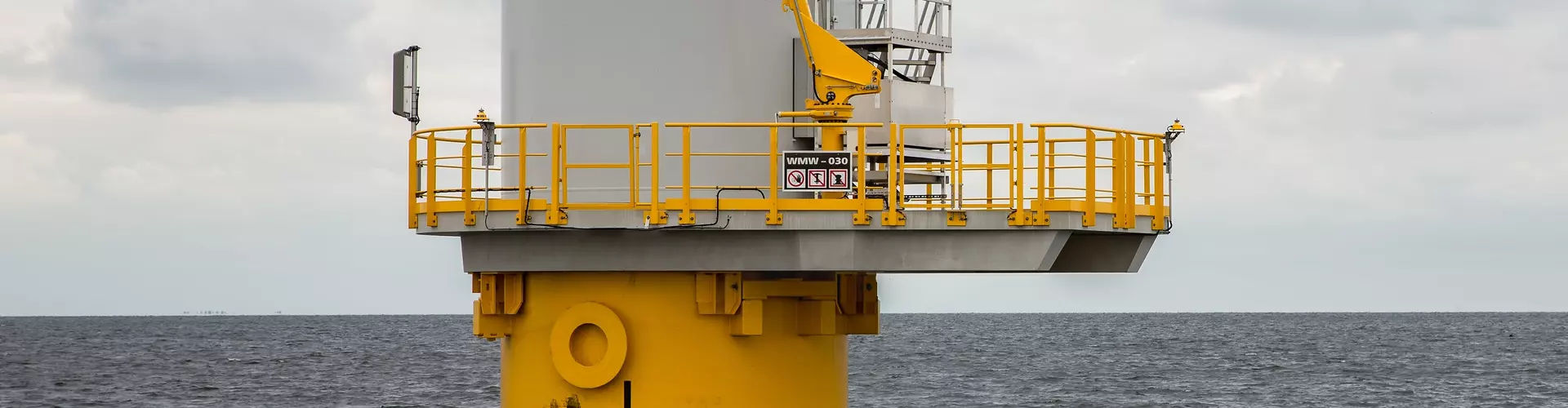
The Gulf has some of the warmest and saltiest marine waters on earth. Warm seawater destroys unprotected steel fast, but marine aluminium builds its own protective shield.
Fuel costs directly control fleet operating profits. Cutting structural weight lets boat builders install smaller engines while carrying more cargo.
Aluminium weighs roughly one third as much as carbon steel. Designing a hull or vessel bridge using aluminium cuts structural weight by 45 to 50 percent compared to steel.
Lighter displacement hull vessels slice through waves faster with much less engine resistance. Fast crew supply vessels and patrol boats save up to 30 percent in diesel burn per nautical mile.
Lighter hulls sit shallower in water. This allows workboats to safely enter shallow tidal channels, offshore oil rig zones, and small fishing ports around Ras Al Khaimah and Abu Dhabi.
| Performance Property | Marine Grade Aluminium (AA 5083) | Carbon Structural Steel (AH36) | Operational Advantage for UAE Fleets |
|---|---|---|---|
| Density / Specific Mass | ~2.71 g/cm³ (Extremely light) | ~7.85 g/cm³ (Heavy structural weight) | 50% weight reduction boosts boat speed |
| Saltwater Corrosion | Self-healing protective oxide | Rapid rust scaling and pitting | Dramatically reduces drydock repair costs |
| Shallow Water Draft | Shallower draft capability | Deeper draft requirement | Safe access to shallow offshore rig zones |
| Recycle / Scrap Value | High scrap retain value | Low scrap metal value | Protects vessel asset value at end of life |
Selecting the correct marine alloy determines hull longevity and weld strength under high wave slap stress. Marine engineers specify distinct alloy series for hull plates and structural stiffeners:
Verify these essential requirements before buying marine aluminium for your shipyard:
At Dinco Trading LLC, we stock prime marine grade aluminium plates, sheets, and extruded profiles across Dubai, Sharjah, and Abu Dhabi. Our inventory includes AA 5083-H116, AA 5086-H116, and AA 6082-T6 in wide formats and various thicknesses, complete with class certification from leading global classification societies. Whether you are building high speed catamarans in Maritime City, oil rig workboats in Mussafah, or luxury yachts in Ajman, our team delivers certified metal right to your shipyard gate. Call Dinco Trading LLC today to discuss your vessel design, verify material certificates, and secure instant competitive pricing.
Read More:With multiple warehouse locations in Abu Dhabi, Dubai & Sharjah, we ensure speedy deliveries to our customers all across the uae
